


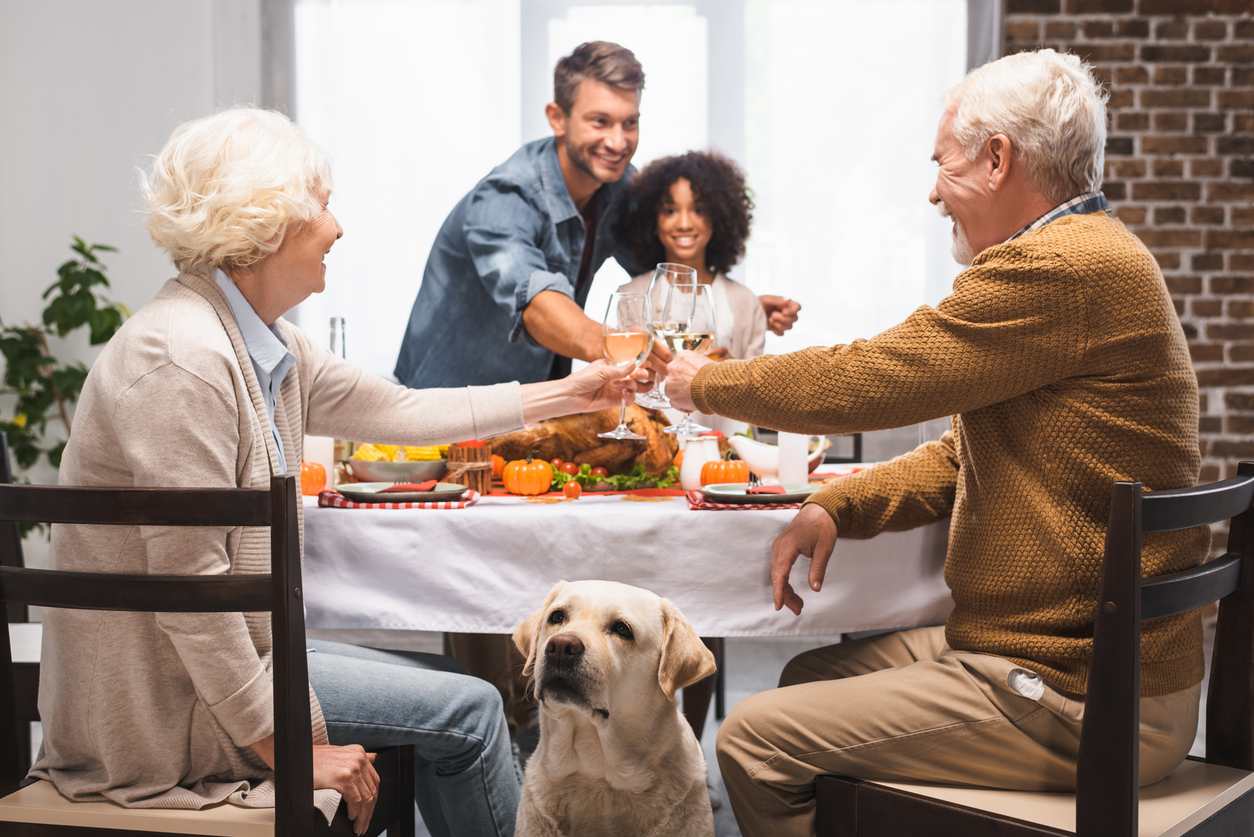
The holidays bring festivities and plenty of delicious food. But when your dog gives you those pleading eyes at the dinner table, it’s natural to pause and wonder: “Wait, can dogs eat turkey?”
While your furry friend can enjoy certain holiday treats, others pose serious health risks that every pet owner should understand. Many of these foods contain ingredients that can cause digestive upset, toxicity, or even life-threatening conditions in dogs. This guide will help you navigate which holiday foods are safe for dogs and which should stay out of their dishes entirely.
Can Dogs Eat Turkey?
The short answer is yes—dogs can eat turkey, but with some important caveats. Plain, cooked turkey without seasoning is generally safe and can even be a healthy protein source for your dog. Lean turkey meat contains essential amino acids, B vitamins, and minerals that support your pet’s overall health.
However, the way turkey is usually prepared for holiday meals generally makes it less suitable for canine consumption. The main dangers of holiday turkey for dogs are the skin, bones, and seasonings.
- Skin is very high in fat, which can trigger pancreatitis, a painful, sometimes life-threatening inflammation of the pancreas that causes vomiting, diarrhea, and lethargy.
- Cooked bones splinter easily, risking choking, intestinal punctures, or blockages that may require surgery.
- Seasonings like garlic, onions, butter, salt, and other spices can cause toxicity, anemia, or severe digestive upset.
If you share a bit of turkey with your dog, stick to plain, skinless, boneless meat. Limit the serving to about one teaspoon of cooled turkey for small dogs, one tablespoon for medium dogs, and up to two tablespoons for large dogs.
Can Dogs Have Corn?
Dogs can eat corn as long as certain precautions are in place. Plain, cooked corn kernels are generally safe and even provide some nutritional benefits. In fact, many commercial dog foods include corn because it’s digestible and offers value when properly processed. Corn contains fiber to support digestion, carbohydrates for energy, and vitamins such as B-complex and E.
The biggest concerns with feeding corn to dogs are the cob, preparation, and portion size.
- Corn cobs pose a serious choking and blockage risk. Always remove kernels from the cob completely.
- Preparation is another risk—butter, salt, and seasonings used in holiday corn dishes can cause stomach upset or, in large amounts, sodium poisoning. Stick to plain, cooked corn without any added fats or flavorings.
- Portion size matters, too. Corn should only be an occasional treat, not a meal replacement. Too much can lead to gas, bloating, or diarrhea—especially in dogs with sensitive stomachs. Offer just a few spoonfuls, depending on your dog’s size.
When shared safely, plain corn can be a tasty, low-fat treat, but it’s best served properly and in moderation.
Can Dogs Eat Corn on the Cob?
Corn kernels are safe for dogs, but corn on the cob is extremely dangerous and should never be given, as the cob is indigestible. Dogs often try to chew or swallow large pieces, which can get lodged in the intestines and require emergency surgery. Corn cob ingestion is a common cause of intestinal blockage in dogs and can quickly become life-threatening.
This health risk is especially dangerous in small breeds, but it’s always risky for dogs of all sizes. Warning signs of a blockage include:
- Vomiting
- Loss of appetite
- Abdominal pain
- Lethargy
- Straining or inability to pass stool
If you suspect your dog ate a corn cob, seek emergency veterinary care right away. Early intervention can prevent a minor issue from becoming a medical emergency.
To keep your dog safe, serve only plain kernels in small portions and dispose of cobs securely. During gatherings, remind guests not to share corn cobs, no matter how much your dog begs.
What About Offering Other Common Holiday Foods to Dogs?
Beyond turkey and corn, holiday tables feature numerous dishes that range from safe to seriously dangerous for dogs. Know which foods fall into each category so you can navigate celebrations confidently while keeping your pet protected.
Safe Holiday Foods (in Moderation):
- Sweet potatoes: Rich in vitamins A and C and fiber, a sweet potato is a good option as long as you serve it plain, cooked, and without butter, marshmallows, or sugar.
- Pumpkin: Plain, cooked pumpkin can aid digestion and is a nutritious, dog-friendly option.
- Green beans: These are a healthy, low-calorie treat when served plain and cooked—just avoid gravy, butter, or seasonings.
Holiday Foods to Avoid:
- Chocolate: It contains theobromine and caffeine, which can cause vomiting, seizures, or death. Dark and baking chocolate are especially toxic.
- Grapes and raisins: These can cause acute kidney failure, even in small amounts. Avoid dishes and desserts that contain raisins.
- Onions and garlic: In any form (raw, cooked, powdered), they can damage red blood cells and cause anemia.
- Stuffing: This side dish often contains multiple harmful ingredients, including onions, garlic, butter, salt, and herbs such as sage.
- Xylitol: Found in sugar-free baked goods, desserts, and some nut butters, it causes dangerous drops in blood sugar and potential liver failure.
- Alcohol and yeast dough: Both are toxic; unbaked dough can expand in the stomach.
- Nutmeg and macadamia nuts: These can cause tremors, vomiting, weakness, and seizures.
Tips for Safe Holiday Sharing
Holiday celebrations should include the whole family—including your pets. If you want to include your dog in holiday meals, here’s how to go about it:
- Prepare a small, separate dish with dog-safe foods. A tablespoon of plain turkey, a few plain green beans, and a small amount of plain sweet potato can be a festive, safe meal your dog will love.
- Keep portions appropriate to your dog’s size and regular diet to avoid stomach upset from overindulgence.
- Supervise children and guests around your dog during meals. Many dishes contain excess salt or toxic ingredients harmful to pets, and well-meaning individuals may not always know which foods are dangerous.
- During cleanup, secure all trash and dispose of hazardous items like corn cobs, turkey bones, and spoiled food where your dog can’t reach them. A moment of prevention can save hours of emergency veterinary care—and your dog’s health.
Just remember: Seasonings, bones, and fatty portions can turn safe foods into serious hazards. Corn cobs in particular can cause life-threatening blockages.
The safest approach? Avoid table scraps, especially during busy gatherings when it’s hard to monitor what your dog might grab. To prevent begging or accidental feeding, consider giving your dog a special treat or puzzle toy in another room during dinner service.
Monitoring Your Dog After the Meal
After the meal, keep an eye out for signs of digestive distress, such as:
- Vomiting
- Diarrhea
- Loss of appetite
- Lethargy
If your dog shows any of these symptoms, or you suspect they ate anything unsafe, contact your veterinarian or pet poison control right away. Even mild symptoms can escalate rapidly, so prompt care is always safest. Don’t hesitate if you’re unsure—emergency vets are equipped to handle life-threatening situations at any hour, providing critical treatments such as IV fluids, surgery, and toxin management.
Celebrate Safely, Together
With a little planning and awareness, you can create joyful holiday memories that include your furry friend. Undoubtedly, knowledge is your best protection. Understanding which foods are safe (and which aren’t) helps you make more informed choices that keep your pet happy and healthy.
Have questions about what holiday foods are safe for your dog? The team at 1st Pet Vet is here to help with expert guidance on pet nutrition and safety during special occasions.
Whether you’re worried about something your dog ate or want advice on creating a pet-friendly holiday menu, our experienced veterinary team is ready to help. Contact 1st Pet Vet today to speak with a veterinarian. We’re proud to support Arizona pet owners, keeping pets safe, healthy, and happy year-round!