


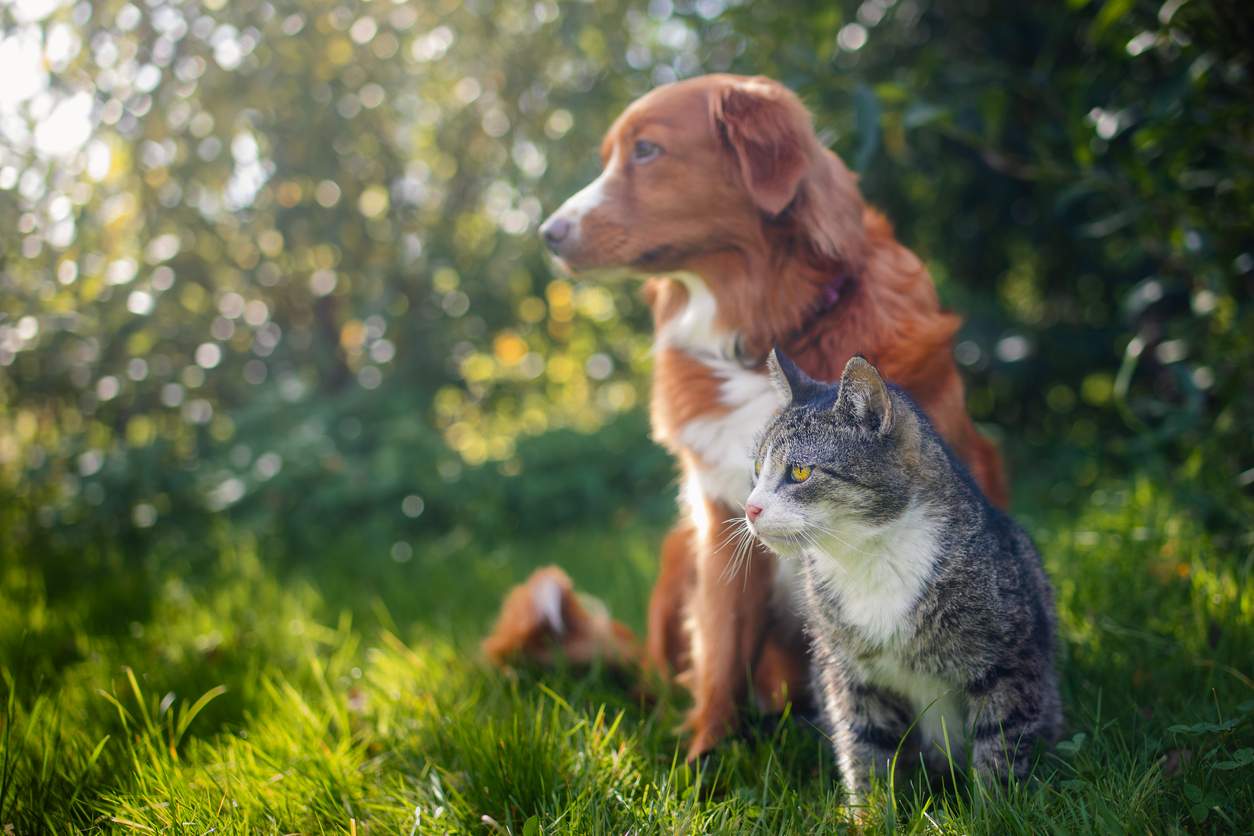
Summer Pet Safety: Hot Pavement, Dehydration, and Sunburn
With average summer temperatures being around 100 degrees in Arizona, it’s crucial that you practice summer pet safety. Time in the car, walks around the neighborhood, lounging in the catio, and other outdoor activities can all be the culprit of your pet’s summer-time discomfort.
Sunburns, burnt paw pads, and dehydration are just a few of the common medical issues your pet may experience.
Luckily, you have the power to prevent this with the right guidance. Learn what symptoms to look for in summer-related conditions, how to prevent them, and when it’s time to visit the vet.
Why Summer Can Be Hard on Dogs and Cats in Arizona
Heat and sunlight are everywhere during the summer—even in places you might think are safe. Think about hot asphalt your dog walks on, or the amount of sun your cat may get by sitting in the window.
Not to mention the dangers of leaving a pet in a car during the summer.
Cats and dogs don’t regulate their temperature as we do. Dogs pant to cool down, while cats need to groom themselves. Plus, their fur and breed may also affect their tolerance for heat and sunlight. Flat-faced breeds and light-colored fur on both cats and dogs can make pets more vulnerable to summer conditions.
Hot Pavement Can Burn Paws Faster than Expected
This is a summer safety tip for dogs, though it can work for cats if you walk them.
There’s a reason that we don’t walk around on asphalt barefoot in the summer—it’s hot! Well, the same can be said for your dog and their paw pads (or your cat’s if you walk them).
Paw pads are a type of special skin on your pet’s feet. While more durable than the skin on their body, paw pads can be vulnerable to burns, cuts, and other injuries. Without precaution, paw pads can get burned and cut up just from one walk around the neighborhood.
Learn the full extent of how heat can affect your pet and how to protect your dog’s feet from hot pavement.
Dehydration Can Sneak Up on Pets in Summer
Staying hydrated is crucial in summer for both you and your pets. As the temperature rises or your pet sits in the sun, it is more likely your pet will start to dehydrate.
Dogs and cats show different signs of dehydration, so it’s crucial as their owner to know what to look for. You also need to consider your pet’s age, any health conditions they have, and their breed when it comes to proper hydration.
Dehydration can lead to issues with their circulation, digestion, body temperature regulation, and other conditions. Dehydration can quickly become a medical emergency. So, it’s crucial that your pet drinks throughout the day—especially during the summer.
Discover easy ways to keep your pet hydrated and happy, even on the warmest of summer days.
Sunburn Is a Real Risk for Some Pets
A dog and cat summer safety tip regards sunburns, which can happen to dogs and cats, too! For cats, the ears, nose, and area around the eyes are vulnerable to sunburn because there is less fur there. Also, if your cat has a light-colored or thin coat, they can get sunburned.
Dogs are also vulnerable to sunburns if they have thin or light-colored fur. The most vulnerable areas on a dog include their nose, ear tips, and the tip of their tail. Breeds like greyhounds, dalmatians, boxers, and pitbulls are particularly vulnerable because they have thin coats.
Not only is repeated sun exposure painful, but without proper protection, it could lead to your pet developing skin cancer.
Discover sunburn prevention tips like pet-friendly sunscreen and how to treat sunburn at home.
When a Summer Problem May Be More Than a Minor Issue
Many pet owners struggle to know what a simple case of overheating is and when it’s time for a vet appointment in the summer.
Here are the symptoms of typical summer injuries/conditions that need to be addressed immediately:
- Bites/stings from other pets, snakes, scorpions
- Bleeding
- Blistering paw pads, ears, and nose
- Burns
- Collapsing
- Diarrhea
- Dry, sticky, abnormal colored gums
- Disorientation
- Faster breathing
- Ingesting something they shouldn’t (food or otherwise)
- Lethagary
- Seizures
- Vomiting
It’s always better to be safe than sorry. Contact 1st Pet Vet with any questions or concerns about your pet’s condition.
Recommended: The Complete Guide to Heatstroke in Dogs and Cats
Simple Summer Safety Habits Protect Pets Every Day
After all of this, you might be afraid to let your pet anywhere near the sun during the summer. Thankfully, you don’t have to keep your pet in the dark to keep them safe.
Instead, try some of these general pet summer safety tips:
- Stay in the shade during the day.
- Walk your dog in the grass or hiking trails instead of the road/sidewalk.
- Spend time outdoors during the morning or evening when it’s cooler.
- Have a water source for your pet when outside.
- Keep bowls of water around your home.
- Never leave your pet unattended in your car for any length of time.
- Know the signs of dehydration.
- Use pet-friendly sunscreen every time you go out (or when your pet sits inside in the sun).
Keep Your Pet Safer This Summer
With a little precaution and extra care, both you and your pet can have a fun-filled summer. If you ever have a concern about your pet, trust your gut. Remember, you know your pet better than anyone.
And when you need help, come to 1st Pet Vet. Our compassionate team offers primary, urgent, and emergency care. We’re here for you and your pet, no matter what.