


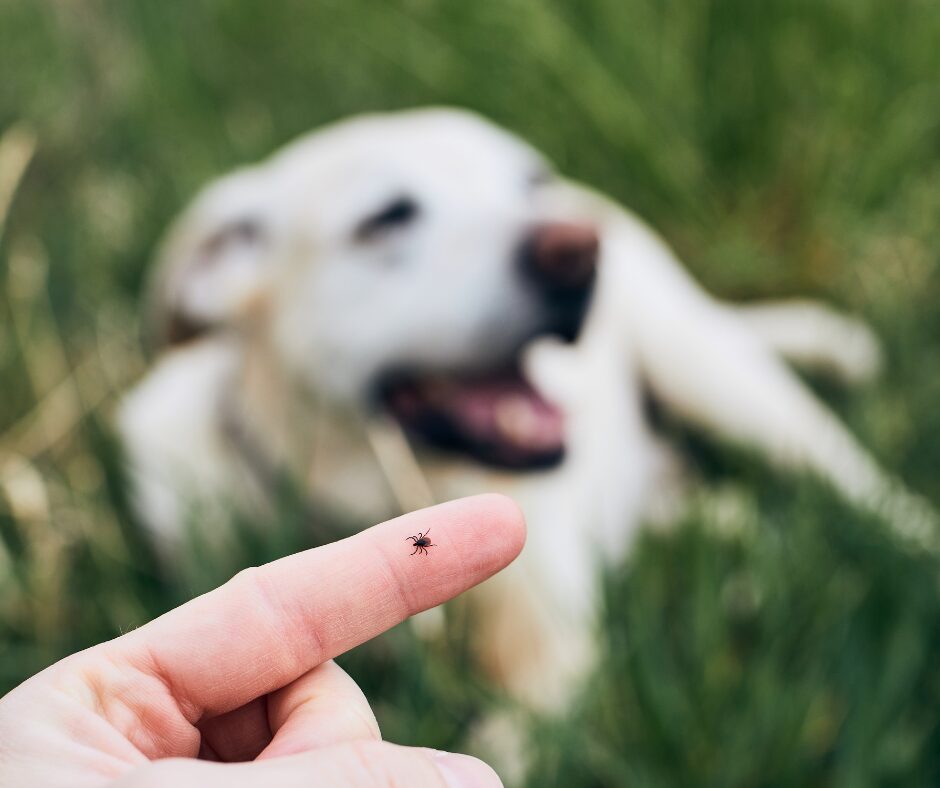
Noticing a sudden bump, swelling, redness, or puffiness on your dog or cat can be unsettling—especially if it seems to appear out of nowhere.
Sometimes it’s a simple insect bite that causes mild irritation and improves quickly. Other times, it may trigger a more serious reaction that needs veterinary attention right away.
In Arizona, pets encounter insects and outdoor hazards year-round, from bees and mosquitoes to fire ants and scorpions. The challenge for many owners is knowing the difference between something mild and something urgent.
At 1st Pet Veterinary Centers, we help pet owners navigate these situations every day. This guide will walk you through:
- Common signs of insect bites on dogs and cats
- What mild reactions typically look like
- When swelling or discomfort may be serious
- What you can safely monitor at home
- When it’s time to call your veterinarian immediately
Common Insects in Arizona That Bite or Sting Pets and What the Bites Look Like
Many insect bites on pets look surprisingly similar at first.
Common signs include:
- Mild redness
- A small raised bump or welt
- Local swelling
- Itching, licking, or chewing at one spot
- Sensitivity when touched
Because pets have fur, bites are often easier to feel than see. Owners may first notice their pet suddenly scratching, pawing at the face, or licking one area repeatedly.
Here are some of the most common culprits Arizona pet owners encounter:
Bees, Wasps, Yellowjackets, and Paper Wasps
These stings often cause:
- Sudden yelping or jumping
- Facial swelling
- Swollen paws
- Pain and redness
Pets commonly get stung while sniffing flowers, chasing insects, or exploring bushes.
Mosquitoes
Mosquito bites can cause:
- Small itchy bumps
- Skin irritation
- Mild swelling
Mosquitoes are also important because they can spread disease. Learn more here:
Mosquito Protection for Pets: Preventing Bites & Disease
Ants (Especially Fire Ants and Harvester Ants)
Ant bites may cause:
- Multiple small red bumps
- Paw irritation
- Sudden limping
- Intense discomfort
Pets often step directly into ant mounds without realizing it.
Kissing Bugs (Conenose Bugs / Triatoma)
These insects are found in the Southwest and can bite around:
- The face
- Lips
- Eyes
Some pets develop swelling or allergic reactions afterward.
Other Outdoor Hazards That May Look Like Insect Bites
Sometimes what appears to be an insect bite may actually be:
- Fleas
- Ticks
- Spider bites
- Scorpion stings
- Even a rattlesnake bite
These conditions may require very different treatment.
Helpful related reading:
- Parasite Prevention: Why Year-Round Protection Is Essential
- Fleas, Ticks, and Heartworm Prevention for Arizona Pets
- Why Is My Dog Shaking? 7 Causes Arizona Vets See Often
Common Signs Your Pet May Have an Insect Bite
Pets don’t usually tell us they’ve been bitten directly—but their behavior often gives us clues.
Common signs include:
- Scratching or chewing at the skin
- Swelling around the face, muzzle, ears, or paws
- Hives or raised bumps
- Sudden licking at one spot
- Limping if the bite is on the foot
- Restlessness or discomfort
Cats sometimes show subtler signs than dogs. Instead of obvious scratching, they may:
- Hide
- Groom excessively
- Paw at the face
- Become irritable or withdrawn
When an Insect Bite Is Mild and When It May Be Serious
Not every bite or sting is an emergency—but some reactions can escalate quickly.
Signs a Mild Bite May Be Safe to Monitor
A mild bite may include:
- A small localized bump
- Mild itching
- Normal breathing and energy levels
- No vomiting or widespread swelling
In these cases, monitoring at home may be appropriate.
Signs You Should Go to a Vet Promptly
Go to your veterinarian if you notice:
- Rapid swelling
- Facial swelling
- Trouble breathing
- Vomiting or diarrhea
- Weakness or collapse
- Significant pain
- Multiple bites or stings
- Swelling near the eyes or inside the mouth
Bites inside the mouth or throat are especially concerning because swelling can affect the airway.
What to Do at Home After an Insect Bite
If the reaction appears mild, there are a few safe first steps you can take.
Move Your Pet Away From the Source
If bees, ants, or other insects are nearby, calmly move your pet indoors or away from the area.
Prevent Licking or Scratching
Excessive licking can worsen irritation and increase the risk of infection.
Monitor the Swelling Closely
Pay attention to:
- Size of the swelling
- Breathing changes
- Energy level
- Any vomiting or worsening symptoms
Avoid Giving Human Medications Without Veterinary Guidance
Some medications that are safe for people can be dangerous for pets. Always contact your veterinarian before giving anything at home.
Home care should only be used for mild reactions. If symptoms worsen, seek veterinary care promptly.
When to Call the Vet or Seek Emergency Care
Some reactions move very quickly.
You should seek urgent or emergency veterinary care immediately if your pet develops:
- Facial swelling
- Difficulty breathing
- Collapse
- Repeated vomiting
- Severe lethargy
- Pale gums
- Sudden weakness
At 1st Pet Veterinary Centers, we provide:
- Primary care
- Daily urgent care
- 24/7 emergency services
This allows us to help pets quickly when reactions become more serious.
Learn more here:
Insect Bites on Dogs
Dogs are naturally curious, which means they’re more likely to:
- Sniff insects
- Step on ant hills
- Chase flying bugs
- Explore brush or grass
Because of this, insect bites on dogs commonly affect:
- The muzzle
- Paws
- Belly
- Ears
A small bump may not be serious—but rapid swelling, pain, or behavior changes should always be taken seriously.
Insect Bites on Cats
Cats can absolutely experience insect bites too—even indoor cats.
Mosquitoes, spiders, ants, and stinging insects can all find their way indoors.
Cats may show more subtle signs such as:
- Hiding
- Overgrooming
- Pawing at the face
- Sudden irritability
Because cats often hide discomfort, even mild swelling or unusual behavior is worth monitoring carefully.
How Vets Treat Insect Bites on Dogs and Cats
Treatment depends on:
- The type of bite or sting
- Severity of the reaction
- Your pet’s overall condition
Your veterinarian may:
- Perform a physical examination
- Assess swelling and breathing
- Provide medications for itching, swelling, or pain
- Monitor for allergic reactions
- Treat secondary infections if needed
Most mild bites improve quickly with appropriate care, but severe reactions require fast intervention.
How to Help Prevent Insect Bites in Pets
You can reduce risk by:
- Avoiding standing water that attracts mosquitoes
- Supervising pets outdoors
- Keeping up with parasite prevention
- Checking bedding and outdoor areas regularly
- Avoiding known ant hills or insect-heavy areas
Helpful prevention resources:
- Mosquito Protection for Pets: Preventing Bites & Disease
- Parasite Prevention: Why Year-Round Protection Is Essential
FAQ
Can I Treat Insect Bites on Dogs at Home?
Mild bites may sometimes be monitored at home, but worsening swelling, vomiting, breathing changes, or facial swelling should always be evaluated by a veterinarian.
Are Insect Bites on Cats Dangerous?
Some are mild, but allergic reactions and swelling can become serious quickly—especially around the face or airway.
How Long Does Swelling From an Insect Bite Last?
Mild swelling may improve over a short period of time, but worsening swelling or persistent symptoms should be evaluated by a veterinarian.
Can Mosquito Bites Make Pets Sick?
Yes. Mosquitoes can spread diseases like heartworm disease, which is why prevention matters year-round.
What If My Pet Was Stung Near the Mouth or Throat?
This should be treated urgently. Swelling in these areas can affect breathing quickly.
Final Thoughts
Most insect bites on dogs and cats are mild—but not all of them are harmless.
The most important thing is knowing what to watch for and acting quickly if symptoms worsen.
At 1st Pet Veterinary Centers, we’re here to help pet owners feel informed, supported, and less overwhelmed when something unexpected happens.
Whether your pet needs reassurance, urgent care, or emergency treatment, our team is ready to help.
Not sure whether your pet’s bite or swelling can wait?
Contact 1st Pet Veterinary Centers for guidance, or seek urgent/emergency care right away if symptoms are worsening. We’re here to help you make the safest decision for your pet.