


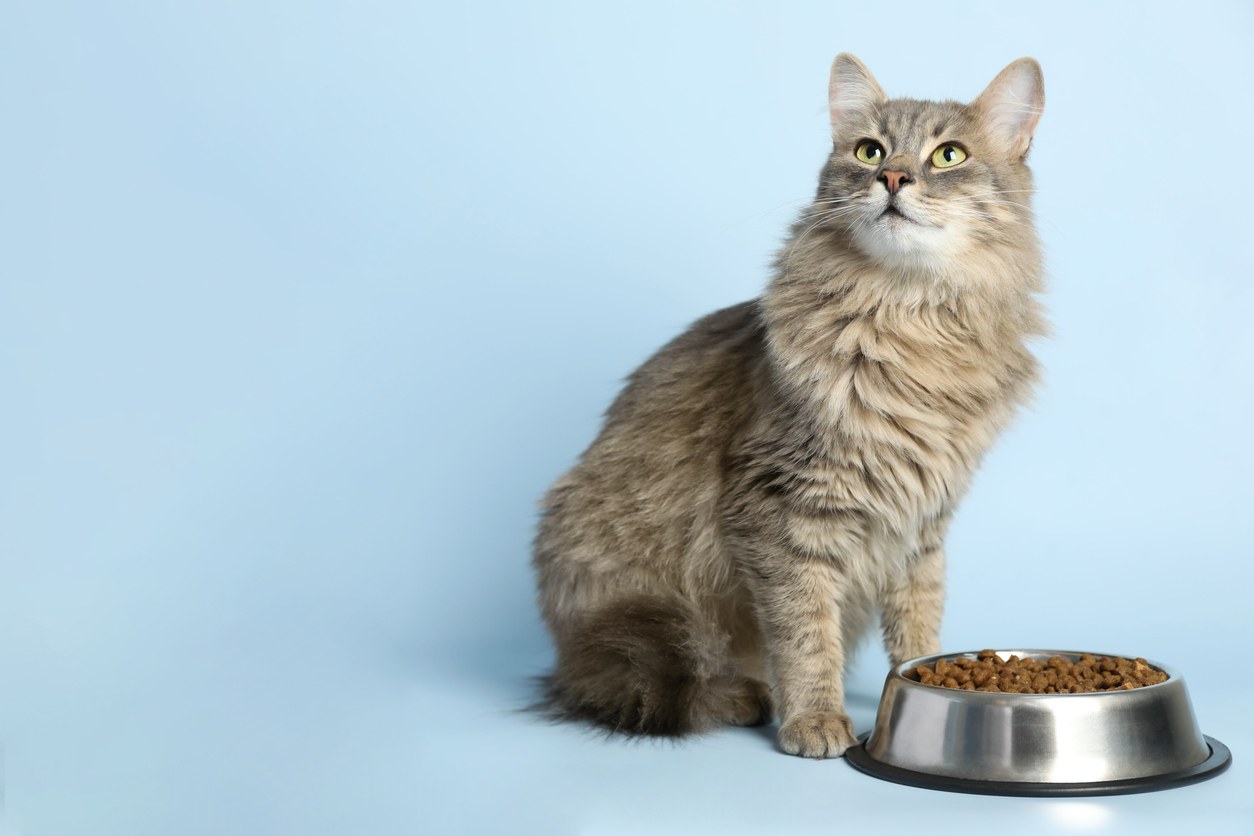
Cats have a way of making their owners second-guess their behavior. One day, they’re eagerly waiting at the food bowl, and the next, they’re turning their nose up while still playing, purring, and acting like nothing is wrong. That can leave you asking, “Why is my cat not eating but acting normal?”
The truth is, even a seemingly small change in appetite can signal an underlying issue. While some causes are mild, others can be far more serious. If your cat refuses food for more than 24 hours, it’s important to call your veterinarian right away.
Below, 1st Pet Veterinary Centers breaks down the most common emergency, moderate, and mild reasons behind appetite loss—and what you should do next.
Reasons Why a Cat Might Refuse to Eat
If you’ve ever noticed your cat sniffing food but not eating, it can be puzzling—and concerning. Loss of appetite may be tied to a variety of factors, ranging from emergencies to mild, everyday issues. Review the emergency, moderate, and mild causes so you can better understand what’s serious and what may resolve on its own.
Emergency Causes: When to Seek Immediate Veterinary Help
Sometimes, a cat’s refusal to eat isn’t a minor quirk—it’s an urgent red flag. Even if your cat seems normal otherwise, certain underlying conditions can quickly become life-threatening. Alongside loss of appetite, watch for symptoms like:
- Vomiting
- Lethargy
- Difficulty breathing
- Sudden weight loss
- Hiding behavior
Below is a broad list of emergency causes that can make a cat stop eating:
- Toxin ingestion: Plants (lilies, poinsettias, sago palms), household cleaners, pesticides, or human foods like onions, garlic, or chocolate
- Foreign object blockage: Ingested string, hair ties, toys, or bones that obstruct the intestines
- Severe infections: High fevers, sepsis, or untreated abscesses
- Kidney failure: Often paired with increased thirst, changes in urination, or vomiting
- Liver disease: Can cause yellowing of eyes or gums, vomiting, or lethargy
- Pancreatitis: Painful inflammation leading to vomiting, crouched posture, or appetite loss
- Diabetic ketoacidosis (DKA): In diabetic cats, signs include dehydration, sweet-smelling breath, or weakness
- Respiratory distress: Upper respiratory infections or asthma, which can make it difficult to smell or breathe
- Severe dental disease: Fractured teeth, oral tumors, or infections causing severe mouth pain
- Heatstroke: Panting, drooling, weakness, and collapse, especially in Arizona’s hot climate
- Major trauma: Falls, accidents, or animal bites that cause internal injuries or shock
- Neurological emergencies: Seizures, disorientation, or sudden behavioral changes tied to brain conditions
- Severe anemia or blood loss: Often from parasites, trauma, or hidden bleeding
- Poisonous insect or reptile bites: Common in desert environments (scorpions, venomous snakes)
While you can’t avoid every emergency, there are steps you can take at home to lower your cat’s risk of appetite-related crises:
- Keep toxic plants, chemicals, and unsafe foods out of reach.
- Supervise play with string, small toys, or any other objects that can be easily swallowed.
- Schedule regular wellness exams to detect organ disease early.
- Maintain parasite prevention and indoor safety to reduce infection and bite risks.
- Keep your home cool and comfortable during Arizona summers to avoid heat-related emergencies.
If your cat has not eaten in over 24 hours or exhibits any of these signs, treat it as an urgent matter. Contact 1st Pet Veterinary Centers right away for emergency assistance—we’re here 24/7 to help protect your cat’s health.
Moderate Causes of Appetite Loss in Cats
Not every case of appetite loss signals an immediate emergency. Sometimes, your cat may be dealing with moderate issues that still require attention but are less critical than life-threatening conditions. These concerns often develop gradually and can make your cat reluctant to eat even while they appear otherwise normal.
Additional symptoms to watch for with moderate causes include:
- Occasional vomiting or diarrhea
- Mild weight loss over time
- Sneezing, nasal discharge, or watery eyes
- Dull coat or increased shedding
- Subtle behavioral changes like hiding or irritability
- Lethargy that comes and goes
- Drinking slightly more or less water than usual
Here are some of the most common moderate causes that can affect your cat’s appetite:
- Mild infections: Low-grade fevers or lingering respiratory infections that make food less appealing
- Stress or anxiety: Moving homes, introducing new pets, loud noises, or changes in routine may cause a temporary decrease in appetite
- Early dental disease: Tartar buildup, gingivitis, or minor oral discomfort
- Parasites: Intestinal worms can sap nutrition and reduce interest in meals
- Medication side effects: Antibiotics, pain relievers, or new prescriptions may suppress appetite
- Food sensitivities or intolerance: Certain ingredients may upset your cat’s stomach or simply taste unpleasant
- Digestive upset: Mild constipation, dehydration, or stomach irritation can slow down appetite
- Vaccination reactions: Some cats briefly lose interest in food after shots
- Mild pain: Joint discomfort or minor injuries can lower a cat’s desire to eat
- Behavioral changes: Competition with another pet over the food bowl or a dislike for the food location
Although these issues are less critical than emergencies, they shouldn’t be ignored. Left untreated, moderate causes can escalate and create more serious health risks.
You can also help prevent many of these problems by:
- Scheduling regular dental cleanings and checkups
- Keeping parasite prevention up to date
- Minimizing stress at home with quiet spaces and consistent routines
- Monitoring your cat after vaccinations and new medications
- Providing clean water, quality food, and a stress-free eating area
If your cat’s appetite doesn’t improve within a day or two, or if they are also sleeping more than usual, it’s worth scheduling a veterinary visit. 1st Pet Veterinary Centers can provide a thorough examination to pinpoint the cause and help your cat get back on track.
Mild Causes of Occasional Appetite Loss in Cats
Not every skipped meal is cause for alarm. In many cases, cats may refuse food due to mild or temporary conditions or situations. These issues often resolve on their own, but it’s still worth keeping an eye on them—especially if they start happening more frequently.
Additional symptoms to watch for with mild causes include:
- Sniffing food but walking away
- Eating treats but refusing regular food
- Picky behavior at mealtime
- Nibbling small amounts instead of full meals
- Sleeping more but otherwise acting normal
- Turning away from stale or dry food
- Brief changes in stool or litter box habits
- Mild hairball activity (occasional coughing or gagging)
Here are some of the most common mild causes that can affect your cat’s appetite:
- Picky eating: A cat that is not eating food but eats treats may not like certain textures or flavors, especially if you’ve recently changed brands or food flavors
- Hairballs: Temporary nausea from trying to expel fur
- Routine or schedule changes: Feeding later than usual or in a new location
- Seasonal or environmental shifts: Hot weather or stress from guests or travel
- Food quality issues: Spoiled or stale food
- Age-related changes: Smaller portions due to slowing metabolism
Most mild causes don’t need immediate treatment, but prevention and monitoring are still important:
- Keep food fresh, especially during hot months.
- Avoid overfeeding treats so your cat doesn’t skip meals.
- Stick to consistent feeding times and quiet feeding spaces.
- Brush regularly to reduce hairballs.
- Watch for patterns—if mild issues linger beyond 24 hours, check in with your vet.
How Sleeping Habits Tie Into Appetite Loss
You may also notice that your cat is eating less while sleeping more, yet still acting normal in every other way. This shift can happen with age, seasonal changes, or stress at home. When your cat is eating less and sleeping more, but acting normal for more than a day, it’s worth checking with your veterinarian.
Concerned About Your Cat’s Appetite? Contact 1st Pet Vet
If your cat is not eating but acting normal, you may be unsure whether to worry. Even when your cat seems fine otherwise, skipping meals for more than 24 hours can signal serious health risks. At 1st Pet Veterinary Centers, we’re here to provide answers, peace of mind, and the care your cat deserves.
As an AAHA-accredited veterinarian hospital and a Fear-Free Certified Practice, we adhere to the highest standards in veterinary medicine while ensuring every visit is as stress-free as possible. From advanced diagnostics to gentle handling, our team ensures that your cat’s health and comfort always come first.
Don’t wait if you’re concerned about your cat’s appetite. Contact us today to schedule an appointment and protect your cat’s well-being.