

Advanced Pet Surgery for Dogs and Cats
When your pet needs surgery, you want experienced care and clear answers. Our board-certified veterinary surgeons provide advanced surgery for dogs and cats throughout the Phoenix area, with care available in Chandler and North Valley.

Board-Certified Surgeons
Advanced training and experience for complex surgical needs.

Orthopedic Surgery
Care for bones, joints, fractures, and ligament injuries.

Soft Tissue Surgery
Surgery involving the abdomen, airway, masses, wounds, and internal organs.

Emergency Surgical Support
Our emergency and surgical teams work together when urgent care is needed.

Dr. Guastella
Areas of Expertise
- DACVS-SA
- Orthopedic Surgery
- Soft tissue surgery
- Minimally invasive surgeries:
- Laparoscopy & Thoracoscopy
- Arthroscopy
- Fracture repair
- TPLO
- Trauma and complex wound care

Dr. Sidaway
Areas of Expertise
- DACVS-SA
- Certified Canine Rehabilitation Practitioner
- TPLO
- Lameness cases
- Orthopedic radiograph review and consultation
- Trauma, including fracture repair
- Complex wound care and management
- Abdominal and oncologic surgery
Signs Your Pet May Need a Surgical Evaluation
Your veterinarian or emergency doctor may recommend a consultation with a board-certified veterinary surgeon if your pet is experiencing:
- Limping, suddenly avoiding one leg, or ongoing joint pain, including a torn cruciate ligament that may require TPLO surgery
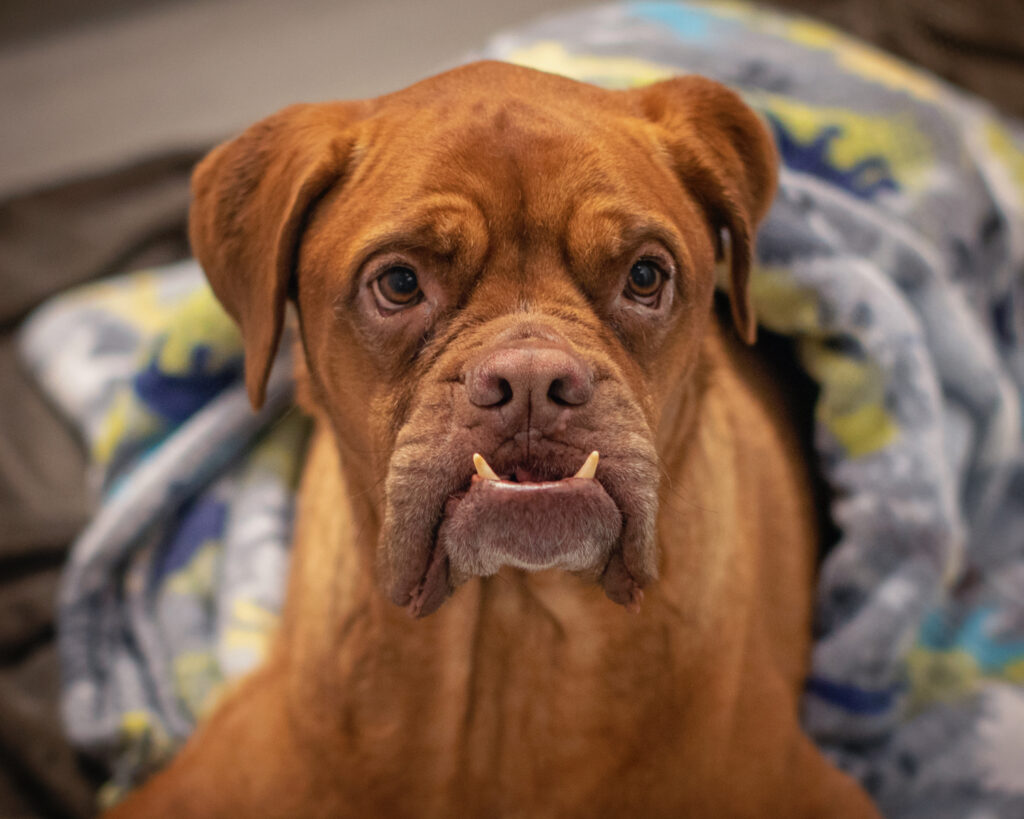
- Trouble breathing, noisy breathing, or tiring easily, especially in flat-faced dogs
- Repeated vomiting, loss of appetite, abdominal pain, or a possible swallowed object
- A lump or mass that is growing, changing, or causing discomfort
- Straining to urinate, blood in the urine, or recurring bladder stones
- A serious wound, broken bone, or other traumatic injury
- Pain or a medical condition that is not improving with treatment
Our surgical team will examine your pet, review their records and diagnostic results, and explain whether surgery is recommended.
Orthopedic Surgery

- TPLO and TTA for torn cruciate ligaments
- Fracture repair
- Luxating patella surgery
- Joint and ligament surgery
- Hip and limb procedures
Soft Tissue Surgery

- Foreign body & intestinal blockage removal
- Mass removal
- Bladder stone surgery
- Abdominal & internal organ surgery
- BOAS airway surgery
- Wound repair
- Hernia repair
Minimally Invasive Surgery
- Laparoscopic procedures
- Arthroscopy
- Liver and kidney biopsies
- Bladder procedures
- Smaller-incision surgical options when appropriate
What to Expect Before, During, and After Surgery
We’ll guide you through each step and make sure you understand what to expect.
Before Surgery
We'll review your pet's medical history and diagnostic results, explain the procedure, answer your questions, and provide an estimate.
Surgery Day
You'll receive instructions about food, medications, and arrival time. Your pet will be closely monitored throughout anesthesia, surgery, and recovery.
Recovery and Follow-Up
We'll explain medications, activity restrictions, incision care, and follow-up visits before your pet goes home.

Rehabilitation and Pain Management Support
Sometimes recovery can be harder than expected for dogs and cats. If that’s the case for your pet, rehabilitation therapy may be needed. Your vet can help you choose a recovery plan that supports your pet’s specific needs.

Experience You Can Trust
We know the nature of a person’s bond with his or her pet, and we ensure our surgeons and veterinarians receive extensive training and certification. Though our patients do not communicate, we know you do, and we spend time with you to assess your concerns and answer your questions before and after surgery.
Recovering at home? We can check in virtually.
If an incision looks different than expected, or your pet seems uncomfortable, a virtual vet visit lets a doctor take a look before your official follow-up. A quick video vet appointment is often all it takes to set your mind at ease, or catch something early.
Dog and Cat Surgery FAQs
A referral is helpful because it allows our surgical team to review your pet’s medical records and test results. You can also contact us directly, and we’ll help determine the appropriate next step.
Scheduled surgery is planned when a condition needs treatment but is not immediately life-threatening. Emergency surgery may be needed when waiting could place your pet’s health or life at risk.
Pet surgery costs vary based on the procedure, diagnostics, anesthesia, medications, and hospital care needed. After evaluating your pet, we’ll explain the recommended treatment and provide a personalized estimate.
Some pet insurance plans cover eligible surgical procedures. Coverage depends on your policy and whether the condition is considered pre-existing. Contact your insurance provider to confirm your benefits.
Yes. 1st Pet offers several payment and financing options, including CareCredit, Cherry, and Scratchpay.
Recovery depends on the procedure and your pet’s overall health. We’ll provide clear instructions for medications, activity restrictions, incision care, and follow-up visits. Some pets may also benefit from rehabilitation therapy.
For Referring Veterinarians
When your patient needs surgical care, our team is here to support you.
We value your knowledge of the patient and will work with you and the pet owner to determine the best path forward. We’ll keep you updated throughout the surgical process and provide records and post-operative recommendations for continued care.